Live board game style game shows have emerged as one of the fastest-growing entertainment categories in online casinos, combining the simplicity of classic board games with real-money wagering and TV-show spectacle. For Indian players exploring the live casino space, these games offer an accessible entry point with familiar themes, vibrant visuals, and the thrill of multipliers and bonus rounds. However, they also carry significant financial risk and operate in a rapidly evolving legal landscape that could restrict access at any time.
This guide explains what live board game style game shows are, how they work, the major titles available to Indian players, realistic banking and KYC processes, and a honest assessment of their risks. It also addresses India’s shifting regulatory environment and provides a practical framework for responsible play—including clear off-ramps if legal or financial circumstances change.
What Are Live Board Game Style Game Shows?
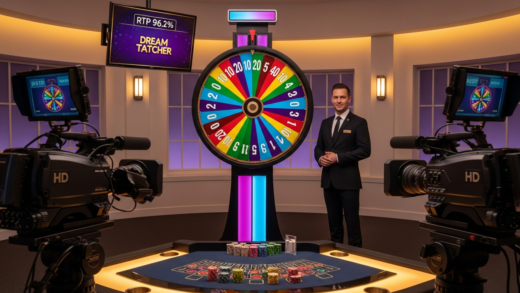
In casino terminology, live board game style game shows are live-streamed games hosted by professional presenters, often built around interactive money wheels, tweaked roulette or bingo-style mechanics, and themed bonus rounds. These games stream from purpose-built studio facilities using HD or 4K cameras and multiple angles, creating a polished, broadcast-quality experience similar to TV game shows. Evolution Gaming pioneered this category with titles like Crazy Time and MONOPOLY Live, and today a range of providers offer variations on the format.
The “board game show” angle is central to their appeal: many titles borrow visual and mechanical themes from classic family board games—MONOPOLY Live references the iconic property-trading board, Crazy Time features a spinning money wheel reminiscent of prize wheels in game shows, and Crazy Balls uses a bingo-ball draw mechanic. Despite the family-friendly packaging, these are real-money gambling products with a built-in house edge and lower return-to-player (RTP) percentages than traditional live table games like roulette or blackjack.
Typical features include continuous rapid-fire rounds, an interactive user interface where players place bets and watch results unfold, animated or mechanical bonus segments with multiplier potential, and a live social chat feature where other players watching the same game can interact. Indian-facing online casinos typically group these games in a dedicated “Game Shows” lobby section, alongside roulette, blackjack, baccarat, and other live dealer offerings.
How Live Game Shows Differ From Traditional Table Games
- Higher variance and volatility: Game shows are engineered with greater short-term swings; you may experience long losing streaks punctuated by rare large wins.
- More bonus/side segments: Unlike roulette’s single outcome per spin, game shows often feature 2–4 bonus games or multiplier zones per round, increasing decision complexity and opportunity for loss.
- Lower RTP by design: House edge is typically 2–8% higher than classic tables; game shows often publish RTP in the 85–92% range, while traditional live roulette or blackjack may offer 97–99%.
- Presenter-led entertainment focus: A live host narrates events, celebrates big wins, and creates engagement; this entertainment value compensates for the worse odds but also can heighten emotional involvement and over-betting.
- Simpler betting decisions: You typically choose a single segment, multiplier zone, or bonus option per round, rather than learning complex strategy like in blackjack.
- Visually intensive TV-style pacing: Rapid animations, sound effects, and countdown timers create urgency and frequent outcome cycles, encouraging rapid play and larger total betting volume over a session.
Why These Games Appeal To Indian Real Money Players
Live board game style shows have found strong traction among Indian real-money players for several reasons. First, the easy onboarding and simple rules make them accessible to casual players unfamiliar with strategy games like poker or live blackjack. Second, the TV-show aesthetic and familiar board game branding (especially MONOPOLY) lower the perceived intimidation factor compared to traditional casino tables. Third, offshore casinos commonly support very low minimum bets in INR—often ₹5–₹20 per round on titles like Crazy Time—making it possible to play on a small budget without feeling rushed or pressured to bet large.
Fourth, these games are readily available in mobile apps and responsive web platforms, allowing Indian players to join live games on smartphones with minimal friction. Finally, for players who find strategy-heavy games like poker or rummy overwhelming, or who want a break from the slower pace of classic live blackjack, game shows offer fast, high-frequency entertainment with an element of visual excitement and community (via live chat) that feels more social than solitary slot play.
Legal & Regulatory Situation For Real Money Game Shows in India
India’s regulatory stance on online real-money gaming is undergoing rapid change. A proposed nationwide ban on online real-money gaming, covering both games of skill and chance, was reported to have passed in the lower house of Parliament and awaits further approvals and implementation. If enacted in full, this legislation would criminalize the operation and advertising of real-money online games within India and could restrict payment processors, banks, and digital wallets from knowingly facilitating real-money gaming transactions.
The practical implications for live game shows are significant. Access to offshore casinos could become legally risky; payment processors such as UPI, netbanking, and card networks may decline or freeze transactions flagged as gambling-related; and marketing of these games to Indian audiences would likely be prohibited. Many live game show operators currently accessible to Indians are based offshore (Mauritius, Malta, Cyprus, or other jurisdictions) and already operate without Indian licensing. However, banking and marketing exposure could shift the ecosystem considerably.
It is important to note that enforcement is not uniform across India, and state-level variations may apply. Some states already have their own gaming laws, and the timeline for nationwide enforcement remains uncertain. This guide does not constitute legal advice; readers should verify the current legal status in their state, consult official government sources, and consider the genuine risk that accounts may be frozen or funds seized if payment processors are compelled to block transactions. The regulatory environment is fast-moving, and circumstances can change rapidly.
Practical Risk Checklist Before You Play
- Check your local legal status: Visit your state’s gaming regulator or consult a legal professional to confirm whether real-money game shows are legal where you live. Do not assume a game is safe just because it is accessible online.
- Understand account freezing risk: If India enforces a nationwide real-money gaming ban, payment processors may block withdrawals or freeze accounts without notice. Only deposit funds you can afford to lose completely.
- Set strict self-limits before playing: Decide on a weekly or monthly entertainment budget in INR, and commit to it. Do not top up once the limit is reached, even if you think you can “win it back.”
- Never treat game shows as income: These are entertainment with a negative expected value. Do not rely on winnings to pay bills, debts, or living expenses.
- Avoid circumvention tools if illegal in your jurisdiction: Using a VPN or other tools to bypass geo-restrictions may violate local laws and expose you to legal liability. If game shows are illegal in your state, the safest option is to stop playing.
- Keep detailed records: Maintain documentation of all deposits, withdrawals, and account activity. If a payment dispute arises, you will need proof.
Key Live Board Game Style Game Shows Popular With Indian Players
| Game | Provider | Core Mechanic | Board/TV Game Inspiration | Bonus Features | Typical Appeal Level |
|---|---|---|---|---|---|
| Crazy Time | Evolution | Money wheel with four bonus zones; main game decides outcome | Generic wheel/game-show format | Coin Flip (2x–3x multiplier), Cash Hunt (pick segments), Crazy Time (wheel within wheel, up to 10,000x), Pachinko bonus | Very High (flagship title; high volatility; frequent big multiplier moments) |
| MONOPOLY Live | Evolution | Money wheel with three segments; main win leads to 3D MONOPOLY board | MONOPOLY board game | Free parking, hotel placement, property multipliers, rare 3D board progression | High (brand recognition; interactive board mechanic) |
| Lightning Roulette | Evolution | Standard roulette with lightning multiplier overlay | Classic roulette wheel + TV-game multiplier mechanic | Random lightning numbers get 50x–500x multipliers before each spin | Medium–High (lower volatility than wheels; familiar roulette feel with twist) |
| Crazy Balls | Evolution | Bingo-style main game; presenter draws numbered balls | Bingo/lottery | Bonus balls double payouts; special color balls trigger mini-game rounds | Medium (slower pace than Crazy Time; steady payouts) |
| Crazy Pachinko | Evolution | Live pachinko board drop with multiplier zones | Japanese pachinko arcade aesthetic + board game feel | Pachinko landing zones feed multiplier and bonus outcomes; can trigger multiplier mode | Medium–High (arcade novelty; swingy results) |
| Lightning Dice | Evolution | Three dice rolled with multiplier overlays; bet on totals or specifics | Dice game (board game adjacent) | Lightning multipliers apply to selected numbers; live rerolls available | Medium (simpler than Crazy Time; lower minimum bets common) |
| Deal or No Deal Live | Evolution | Banker’s offer against player-chosen sealed boxes | Deal or No Deal game-show format | Banker’s incremental offers; box opening tension and strategic decisions | Medium (slower; psychological/decision-based; lower volatility) |
Spotlight: MONOPOLY Live & Other Board Game Branded Titles
MONOPOLY Live stands out as a premium branded crossover, leveraging the iconic MONOPOLY intellectual property to create an immersive experience. The game combines a money wheel (similar to Crazy Time) with an interactive 3D or augmented-reality style MONOPOLY board that materializes during bonus rounds. When a player’s bet triggers the board segment, a virtual character (often a Mr. Monopoly avatar) moves around properties, collecting rent multipliers and delivering escalating payouts. The board mechanic also unlocks “hotel” placement, which can multiply future spins, creating a sense of progression and narrative that traditional wheels lack.
Other branded crossovers occasionally emerge, blending roulette mechanics, board-style bonus segments, and themed multiplier zones. These limited-edition or exclusive titles often appear on premium or VIP sections of live casinos, sometimes with higher minimum bets but also higher multiplier potential and branded jackpots.
Spotlight: Crazy Time, Crazy Balls & Crazy Pachinko
Crazy Time is the flagship product in Evolution’s “Crazy” series and the most popular live game show globally. A large, colorful money wheel is divided into segments: numbers (1, 2, 5, 10), and three bonus zones—Coin Flip, Cash Hunt, and Crazy Time itself. The main game is straightforward: players bet on a number or bonus segment, the wheel spins, and a segment is selected. If a number lands, players receive even-money or 2:1 payouts. If a bonus zone lands, players are taken to a mini-game.
Coin Flip shows a coin toss that can multiply the main win by 2× or 3×. Cash Hunt is a pick-em bonus where players select cash values, each hiding multipliers. Crazy Time is the crown jewel—a secondary wheel that can deliver wins up to 10,000× the stake, though such extreme outcomes are vanishingly rare. The combination of frequent small wins (numbers and Coin Flip) with tantalizing big-win potential (Crazy Time, Cash Hunt jackpots) makes Crazy Time highly addictive and volatile.
Crazy Balls applies a bingo-draw mechanic: the presenter pulls numbered balls from a machine, and players have selected balls on a card. If all numbers are called, a player wins. Bonus balls double payouts or trigger additional mini-rounds. The pace is slower than Crazy Time, and variance is lower, making it suitable for players who prefer steadier outcomes and longer sessions.
Crazy Pachinko mimics the Japanese arcade game pachinko, where a live ball drops onto a pegged board and lands in a multiplier zone. That zone determines an instant payout multiplier or unlocks a secondary bonus round. Pachinko is visually novel and feels like a board game hybrid, attracting players looking for something different from wheels and roulette.
How Live Game Shows Work: Rules, Rounds & RTP
The typical round flow for a live wheel or board-style game show follows a consistent pattern. A betting window (usually 10–30 seconds) opens, during which players place wagers on a specific outcome—a number, a multiplier segment, or a bonus zone. The host or automated system announces “bets closed,” and the main game mechanic activates: the wheel spins, dice roll, balls are drawn, or a card flips.
Once the outcome is determined, the host announces the result, displays any multipliers, and immediately settles winning and losing bets. Payouts are credited to player accounts in real time. The next round begins almost immediately, with no significant pause between outcomes. This rapid-fire pacing (rounds every 20–40 seconds) encourages high betting frequency, meaning a player’s bankroll can experience steep swings in short periods.
Return-to-player (RTP) is the percentage of all wagers a game returns to players over time. Most live game shows publish RTPs between 85% and 92%, meaning a house edge of 8–15%. For comparison, European roulette typically offers 97.3% RTP (2.7% house edge), and live blackjack can exceed 99% RTP with basic strategy. The lower RTP of game shows reflects their higher volatility, more bonus segments, and the entertainment value of multipliers and big-win moments. This design encourages short-term variance: players may win consistently for a few rounds, then lose several times in succession.
Multipliers and bonus segments introduce additional risk. A player may bet ₹100 on a “Crazy Time” zone, expecting a 5× to 10× payout if it lands. However, because that zone contains a nested wheel with even rarer multiplier values, the actual expected value of betting on Crazy Time is negative. The advertised 10,000× multiplier is so rare that the weighted average payout is far below a player’s true odds. Players who concentrate bets on rare bonus segments or high multipliers experience faster bankroll depletion.
Understanding RTP, Volatility & Multipliers in Game Shows
- RTP and short-term luck are unrelated: A game with 90% RTP does not mean you will lose 10% of your bankroll and then break even. It means that over millions of rounds, the game pays back 90 paise per rupee wagered on average. Your actual results in a 1-hour session can deviate wildly—you might lose 50% of your bankroll or win 30% depending on luck.
- Big advertised multipliers do not mean positive expected value: A segment advertising a “1,000× multiplier” is rare precisely because most of your bets on that segment will lose. The weighted average payout accounts for all the losses, ensuring the house edge remains built-in.
- High-variance bonus rounds drain bankrolls faster: If you bet ₹50 per round on the main game (1–2% variance) but then shift to ₹500 on a bonus segment (hoping for a 10× hit), you are concentrating risk. One or two unlucky bonus rounds can erase an hour’s worth of small wins.
- Chasing after losses increases risk exponentially: If you lose ₹5,000 in 30 minutes, doubling your bet to “catch up” does not improve your odds. You now face the same house edge, but with a larger stake, meaning losses compound faster. This is a primary driver of gambling harm.
- Session length and frequency matter: A ₹10,000 monthly budget spread over 10 sessions (₹1,000 per session) will likely last longer and feel less stressful than the same amount wagered in a single 3-hour marathon session, where variance and emotional reactivity peak.
Comparing Live Game Shows vs Classic Live Board & Card Games
| Aspect | Live Game Shows | Roulette / Blackjack / Baccarat | Indian Favourites (Andar Bahar, Teen Patti, etc.) |
|---|---|---|---|
| Complexity | Very simple (pick a segment or number each round) | Simple to moderate (blackjack requires strategy; roulette is pure chance) | Moderate to high (Teen Patti involves psychology and position; Andar Bahar is simple) |
| Decision Impact | Minimal (betting is the only decision; outcome is determined by RNG/studio draw) | Low to moderate (blackjack strategy can shift odds; roulette is pure luck) | Moderate to high (bluffing, position, bet sizing in Teen Patti; Andar Bahar is mainly luck) |
| RTP Range | 85–92% | 97–99% (roulette slightly lower; blackjack higher with strategy) | Varies; typically 95–98% (depends on house rules and rake) |
| Volatility | High (big swings; rare massive multipliers) | Low to moderate (roulette is steady; blackjack varies by strategy) | Moderate to high (depends on game; Teen Patti can be swingy) |
| Pace | Fast (round every 20–40 seconds) | Moderate (roulette ~60 sec per spin; blackjack ~90 sec per hand) | Variable (live Teen Patti is fast; Andar Bahar is very fast) |
| Entertainment/Social Value | Very high (TV-show feel, live chat, multiplier excitement, presenter energy) | Moderate (classic casino appeal; minimal chat) | High (psychological depth, competitive community, cultural familiarity) |
| Beginner Suitability | Excellent (no learning curve; accessible visual design) | Good (roulette is intuitive; blackjack has a gentle learning curve) | Mixed (Andar Bahar is beginner-friendly; Teen Patti requires experience) |
| INR Stake Compatibility | Excellent (common ₹5–₹20 minimums; scalable to ₹500+) | Good (most casinos support low INR minimums) | Excellent (Indian platforms designed for INR; wide stake range) |
When to Choose Game Shows vs Tables
- Choose game shows for short, entertainment-focused sessions (30–90 minutes) where you want visual excitement and frequent outcomes. Set a fixed, small INR loss limit beforehand (e.g., ₹1,000) and walk away once it is reached or if you win a target amount (e.g., ₹500 profit).
- Choose classic tables (roulette, blackjack) if you prefer slower-paced play, longer session duration, or the psychological satisfaction of applying strategy. These games often have slightly better RTP and lower variance, so your bankroll may last longer on the same budget.
- Choose Indian card games (Teen Patti, Andar Bahar) if you value cultural familiarity, community interaction with other Indian players, and the skill/psychology components. Be aware these often carry regulatory uncertainty in India similar to live game shows.
Common Mistakes Indian Players Make in Game Shows
The most dangerous mistake is over-betting on rare bonus segments or high multipliers. A player sees Crazy Time offering 100× and thinks, “If I win just once, I will double my ₹10,000 session budget.” In reality, the odds of landing Crazy Time on any given spin are roughly 1 in 20, and even when it lands, the secondary wheel rarely delivers extreme multipliers. Betting ₹1,000 per round on Crazy Time expecting a big hit will statistically deplete a ₹10,000 bankroll in 10–15 rounds, with zero multipliers to show for it.
A second critical error is loss chasing: after a bad streak (losing ₹3,000 in 20 minutes), a player doubles bets hoping to recover quickly. This amplifies volatility and bankroll risk. The house edge does not shrink because you are losing; it remains constant, so larger bets only accelerate losses.
A third mistake is misunderstanding RTP and house edge. Players often think “90% RTP means I will keep 90% of my bankroll over a full day of play.” This is incorrect. RTP is an average over millions of rounds; in a short session, you are highly likely to experience a loss, especially with high-variance games.
Finally, players assume that because the games are “TV-like” or presented with celebrity hosts and fun themes, they carry less financial risk than traditional slots or roulette. In fact, live game shows often have higher volatility and lower RTP, making them riskier from a pure expected-value standpoint. The entertainment and social elements are designed to keep you engaged and betting longer.
Where Indian Players Typically Play Live Game Shows
Indian players access live game shows primarily through offshore online casinos and multi-vertical gaming platforms based in jurisdictions like Malta, Mauritius, Cyprus, Curaçao, and Costa Rica. These platforms are not licensed by any Indian regulator, but they operate legally in their own jurisdictions and have built payment infrastructure to serve Indian customers.
Common features of India-facing live casinos include INR support (deposits and withdrawals in Indian rupees), payment methods tailored to India such as UPI, NEFT/RTGS netbanking, debit and credit cards, and e-wallets. Most offer dedicated mobile apps (iOS and Android) and responsive web platforms. Live casino lobbies are typically organized into sections: “Roulette,” “Blackjack,” “Game Shows,” “Live Poker,” and “Other Live Games.” Game shows sit prominently, often with featured tiles for Crazy Time, MONOPOLY Live, and other flagship titles.
These offshore platforms may accept Indian players without local licensing, and they operate in a legal gray zone. While technically offshore and not prohibited under current law (if playing is not explicitly illegal in your state), the proposed nationwide real-money gaming ban could target payment processors and banking relationships that facilitate deposits and withdrawals. Many large casinos (e.g., 1xBet, Betway, Dafabet, LeoVegas) have Indian presence and actively market to Indian players, but they face increasing regulatory scrutiny.
Choosing Safer Offshore Live Casinos (If You Still Decide to Play)
If you choose to play on an offshore casino, risk reduction is possible through careful platform selection. Prioritize long-standing brands with established licensing in reputable jurisdictions (Malta, UK, Australia). Check for transparent disclosure of licenses, the identity of game providers (Evolution, Pragmatic Play, NetEnt, etc.), and clear terms on KYC, deposit, and withdrawal processes.
Look for casinos with a strong track record of honoring withdrawals and responsive customer support for Indian players. Verify that the platform clearly states minimum and maximum stake limits in INR, and that bonuses do not have predatory terms (e.g., requiring 50× wagering of bonus funds before withdrawal). Confirm they offer multiple payment methods and have a clear dispute resolution process. Check independent review sites and community forums for feedback from Indian players.
However, no amount of caution eliminates the legal and financial risk. Even a reputable offshore casino cannot protect you if Indian regulators or payment processors block transactions. This is a conscious trade-off: you accept the risks of account freezes, payment declines, and potential legal liability in exchange for access to these games. The safer option, legally and financially, is to avoid real-money wagering until regulation clarifies.
Best Live Board Game Style Game Shows For Indian Budgets
| Game | Typical Min Bet in INR (approx.) | Max Payout Potential | Volatility Level | Best For (Casual/Regular/High Roller) |
|---|---|---|---|---|
| Lightning Dice | ₹5–₹10 | 150x–500x (lightning multipliers) | Low–Medium | Casual (simple, low-volatility, long sessions) |
| Crazy Balls | ₹10–₹20 | 50x–200x (bonus multipliers) | Medium | Casual–Regular (steady pace, frequent small wins) |
| Lightning Roulette | ₹10–₹25 | 500x (lightning hits on rare numbers) | Medium | Regular (familiar roulette with TV twist) |
| Crazy Pachinko | ₹15–₹30 | 100x–1,000x (pachinko zone multipliers) | Medium–High | Regular–High Roller (arcade novelty, moderate swings) |
| MONOPOLY Live | ₹20–₹50 | 500x–2,000x (board multipliers, board mode) | Medium–High | Regular–High Roller (brand appeal, interactive board) |
| Crazy Time | ₹20–₹100 | 10,000x (theoretical max; extremely rare) | Very High | High Roller (flagship volatility; big multiplier moments; unsuitable for tight budgets) |
| Deal or No Deal Live | ₹25–₹75 | 200x–1,000x (banker offers, box multipliers) | Medium | Regular–High Roller (psychological gameplay, slower pace) |
Low-Stake Friendly Game Shows
- Lightning Dice (₹5–₹10 min): Simple, frequent outcomes, low variance; ideal for extended play on a small budget.
- Crazy Balls (₹10–₹20 min): Slower bingo-style mechanic; steady payouts and rare bust outcomes; good for cautious players.
- Lightning Roulette (₹10–₹25 min): Familiar roulette feel; occasional lightning multipliers create excitement without extreme volatility; accessible to all budget levels.
These titles are favored by casual Indian players because minimum bets are often ₹5–₹20, allowing a ₹1,000 session budget to last 50–200 rounds, reducing the pressure to make rushed decisions or chase losses.
High-Volatility ‘Jackpot Feel’ Game Shows
Crazy Time and similar high-multiplier wheel shows deliver the psychological “jackpot” sensation—the possibility of a 100× to 10,000× win on a single round. This appeal is potent: a ₹100 bet could theoretically return ₹100,000. However, the reality is that these games are engineered for high variance precisely to fund those rare outlier wins. The expected value remains negative, and a player chasing the Crazy Time bonus on every spin will statistically lose far more than they win.
These games should only be played with disposable funds (never essential money) and with strict session limits. An Indian player might allocate ₹5,000 as their monthly entertainment budget, reserve ₹2,000 for Crazy Time across 2–3 sessions (₹500–₹1,000 per session), and accept that losing it all is the probable outcome. If you cannot afford to lose the entire allocation without financial stress, do not play Crazy Time.
Payments, INR Banking & KYC For Live Game Shows
Most offshore casinos serving Indian players support a range of payment methods: UPI, NEFT/RTGS bank transfers, debit and credit cards (Visa, Mastercard), e-wallets (Skrill, Neteller), cryptocurrency (Bitcoin, Ethereum), and sometimes mobile wallets (Paytm, Google Pay, PhonePe). Deposit minimums are typically very low (₹100–₹500), and transaction times are instant to a few hours.
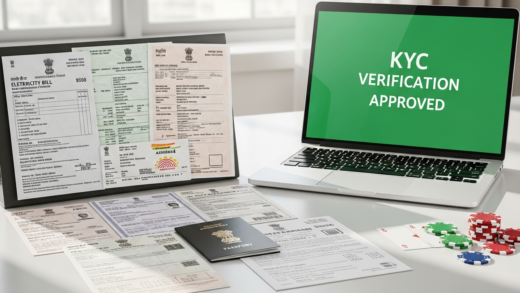
KYC (Know Your Customer) verification is a standard process. When you first register or upon making a withdrawal, you will be asked to provide an identity document (Aadhaar, PAN, passport, or driver’s license), proof of address (utility bill, bank statement), and sometimes a selfie for identity confirmation. For larger withdrawals (e.g., over ₹100,000), casinos may request source-of-funds documentation or tax filing records.
The KYC process itself is not onerous if you have standard Indian documents, but delays can occur if casinos are slow to verify or if you submit unclear images. Incomplete KYC can block withdrawals indefinitely. Regulatory pressure is increasing, and casinos are raising KYC standards to defend against anti-money-laundering (AML) scrutiny. Some platforms now require income verification or bank statement reviews for regular players, slowing the withdrawal process to 2–5 business days instead of the advertised 24 hours.
The larger banking risk stems from the proposed India-wide real-money gaming ban. If enacted, payment processors—banks, UPI operators, card networks, and e-wallet services—will face legal pressure to decline or reverse gambling transactions. A payment may be rejected mid-deposit, or worse, a successful deposit may be reversed days later, leaving your casino account credited but your bank account debited, creating a dispute. Withdrawal failures are equally likely: a casino may process your request, but the payment provider refuses the outbound transaction, leaving funds stuck in the casino account.
Managing Banking Risks as an Indian Player
- Avoid overfunding your casino wallet: Deposit only the amount you plan to wager in your current session. Do not preload ₹50,000 “just in case”; if payment rails are disrupted, that money is inaccessible until the block is resolved (if ever).
- Withdraw winnings regularly: If you have an unused balance or recent winnings, attempt a withdrawal within 24–48 hours rather than leaving funds in the casino account. This reduces the amount at risk if the casino loses banking access.
- Keep detailed records: Save screenshots of all deposits, withdrawal requests, transaction confirmations, and casino statements. If a payment processor disputes a transaction or a casino refuses a withdrawal, these records are your only evidence.
- Keep gambling funds separate: Use a dedicated savings account for deposits to casinos; do not mix gambling money with salary or bill-paying funds. This makes it easier to track gambling spend and avoid accidentally overdrawing essential accounts.
- Be prepared for delays and declines: Even on a reputable platform, payment declines can happen without warning. Have a backup payment method ready (e.g., if UPI fails, try netbanking; if cards are declined, try e-wallets).
- Monitor regulatory news: Follow updates from the Ministry of Information and Broadcasting and other regulatory bodies. If a nationwide ban is enacted or banking restrictions are announced, immediately withdraw your balance and avoid further deposits.
Strategy & Bankroll Tips For Live Game Shows
- Practice strict bankroll management: Allocate a fixed, discretionary monthly gambling budget in INR—perhaps ₹2,000–₹10,000 depending on your disposable income. Treat this budget as “entertainment spend,” like cinema tickets or dining out, not as an investment or income source.
- Use flat betting: Decide on a standard bet size per round (e.g., ₹50) and stick to it. Avoid increasing bets after losses (“chasing”) or increasing them when you are ahead (“pressing”). Flat betting minimizes variance and extends bankroll duration.
- Avoid concentration on rare bonus segments: Do not shift your entire bet to a Crazy Time or high-multiplier zone hoping for a big hit. The expected value of such bets is worse than the main game segments. If you want to play bonus-heavy games, reduce your overall stake or session length.
- Set win and loss limits: Before each session, decide a profit target (e.g., if you win ₹500, stop and withdraw) and a loss limit (e.g., if you lose ₹1,000, stop immediately). Stick to these limits even if you feel “lucky” or on a streak.
- Prioritize entertainment over profit: If you play live game shows for profit, you will lose. These games have a house edge; the only outcome is long-term loss. Play only if the entertainment value—the thrill, the social chat, the spectacle—is worth the statistical loss.
No betting system—Martingale, D’Alembert, or any other progressive staking method—can beat the house edge. RTP and volatility are fixed by the game’s design. The only variables you control are how much you bet per round, how many rounds you play, and when you stop. Use these levers wisely.
Building a Realistic Session Plan
An Indian player might structure a session like this: Allocate a ₹1,000 session budget. Choose 1–2 games (e.g., Crazy Balls and Lightning Roulette) to avoid decision fatigue. Divide the budget into 20 rounds of ₹50 each (or 10 rounds of ₹100, depending on your preference for pace). Play each round without varying stake or changing games. If you reach a ₹500 profit, stop and withdraw half (₹250) immediately; use the remaining ₹750 to continue or play again next week. If you hit a ₹500 loss (10 consecutive losing rounds), stop immediately and do not add funds.
This structure keeps you engaged for 30–45 minutes, minimizes emotional decisions, and enforces loss limits. It also respects the reality that you will likely lose money; the goal is to lose slowly, enjoy the entertainment, and preserve capital for other priorities.
Signs You Should Stop Playing
Stop playing and seek support if you notice: (1) Chasing losses: After a bad streak, you increase stakes or deposit more money with the conscious intent to “win it back.” (2) Hiding sessions: You play late at night or on your phone without telling family, and you feel secretive about your activity. (3) Using essential money: You have skipped bill payments, borrowed money, or used savings earmarked for emergencies to fund gambling. (4) Neglecting responsibilities: Gambling is interfering with work, family time, or relationships. (5) Constant thoughts: You find yourself planning future sessions or thinking about the next big win throughout the day.
These are signs of problem gambling. Stop immediately, tell a trusted family member, and seek professional support. Organizations like the Indian Psychiatric Society, AASRA (Aasra.info), or Gamblers Anonymous offer confidential counseling. There is no shame in asking for help.
Responsible Gambling & Safer Play Framework For Indian Players
Live game shows are entertainment products, not income sources. They carry a built-in house edge (8–15%) that guarantees long-term losses for players in aggregate. You should only gamble with discretionary income—money left over after all bills, savings, and emergencies are covered—and only if you can afford to lose it entirely without impacting your family’s wellbeing.
The Indian government’s stance on real-money gaming reflects broader societal concerns about gambling harm, financial ruin, and addiction. Even if you believe gambling should be legalized or regulated, the current legal and financial uncertainty makes stopping the safest option. Accounts may be frozen; payments may be blocked; and you could face legal consequences depending on how enforcement unfolds.
Most reputable offshore casinos offer responsible gambling tools: deposit limits (cap your daily or monthly deposits), time limits (auto-stop after 1 hour), reality checks (popup reminders of time and money spent), and self-exclusion (voluntarily ban yourself from the platform for days, months, or years). Use these tools. Set a monthly deposit limit of ₹5,000 if that is your entertainment budget, and let the casino enforce it automatically.
Gambling harm extends beyond individual financial loss. It can strain marriages, cause stress in families, and lead to social isolation or depression. If you are gambling, be transparent with a partner or close family member. If gambling is causing conflict or if you are hiding it, that is a warning sign to stop.
Setting Personal Rules Around Live Game Shows
- Define your monthly entertainment budget: Decide on a fixed amount in INR that you can afford to lose completely. This is your total gambling spend; do not exceed it under any circumstances.
- No borrowing, no credit: Only use cash or debit funds that are already yours. Do not use credit cards or borrow from others to gamble.
- No chasing losses: If you lose your session budget, stop. Do not deposit additional money hoping to recover. Walk away, wait at least a week, and come back if you wish with a fresh budget.
- Strict time limits: Set a timer. Play for no more than 60–90 minutes per session. When the timer goes off, stop, regardless of whether you are ahead or behind.
- Stop if you break your rules: If you have deposited extra money three times in a month to chase losses, or if you have played for more than 3 hours in a single session, you are gambling problematically. Stop immediately and consider self-exclusion.
Future of Live Board Game Style Game Shows in India
The trajectory of live board game game shows in India is uncertain. If the proposed nationwide real-money gaming ban is enacted and enforced, offshore casinos will be cut off from Indian payment processors, and access will become very difficult. Players may find UPI and netbanking blocked; card transactions will be declined; and e-wallets will close Indian accounts. Advertising and marketing of these games to Indian audiences will be prohibited entirely.
However, the gaming industry often adapts to regulatory pressure through innovation. We may see a shift toward free-to-play versions of game shows (no real-money wagering, but cosmetic rewards or social status). Prize-based formats (games where you win vouchers or merchandise instead of cash) may emerge as a legal workaround, as they may avoid the definition of “real-money wagering.” Social and educational board game digital platforms are likely to grow, offering the entertainment and community value of game shows without the gambling element.
Providers like Evolution will likely continue developing new game show concepts and enhancing existing titles, but distribution to India will hinge on regulation. If a nationwide ban is enforced, Evolution and other major providers may geo-restrict Indian IP addresses, making these games inaccessible.
Alternatives if Real Money Live Game Shows Become Inaccessible
If access to real-money live game shows is cut off or becomes too risky, consider engaging with the broader board gaming community in India, which is vibrant and growing. Physical board game cafes and clubs exist in metros like Bangalore, Mumbai, Delhi, and Hyderabad (e.g., Board Game Arena in Bangalore, Table Top India). These venues host weekly meetups, tournaments, and casual play nights where you can enjoy the social and strategic elements of board games without financial risk.
Online board game communities are equally active: websites like Board Game Geek, Tabletop Simulator (Steam), and Tabernacle (Indian platform) connect players for digital board game sessions. Many are free-to-play, with no wagering. Apps like Lichess (for chess), Skribbl.io (for Pictionary), and Jackbox Party Packs bring the fun and social interaction of classic games to smartphones.
Mobile apps like Ludo King, Carrom Pool, and other casual board-adjacent games offer the fast-paced, entertainment-driven experience of live game shows without real-money risk. While these lack the adrenaline of high stakes, they preserve the fun and community without financial harm.
Final Note: This article reflects the current state of live game shows for Indian real-money players as of 2024. Regulatory conditions, provider availability, and payment methods are evolving rapidly. Before playing, verify the current legal status in your location, confirm that a casino is reputable and has transparent licensing, and commit to the responsible gambling practices outlined here. If you are unsure whether to play, the safest decision is not to. The games will still be there if circumstances change; your financial security and mental wellbeing cannot be recovered as easily if gambling causes harm.